Control over the light
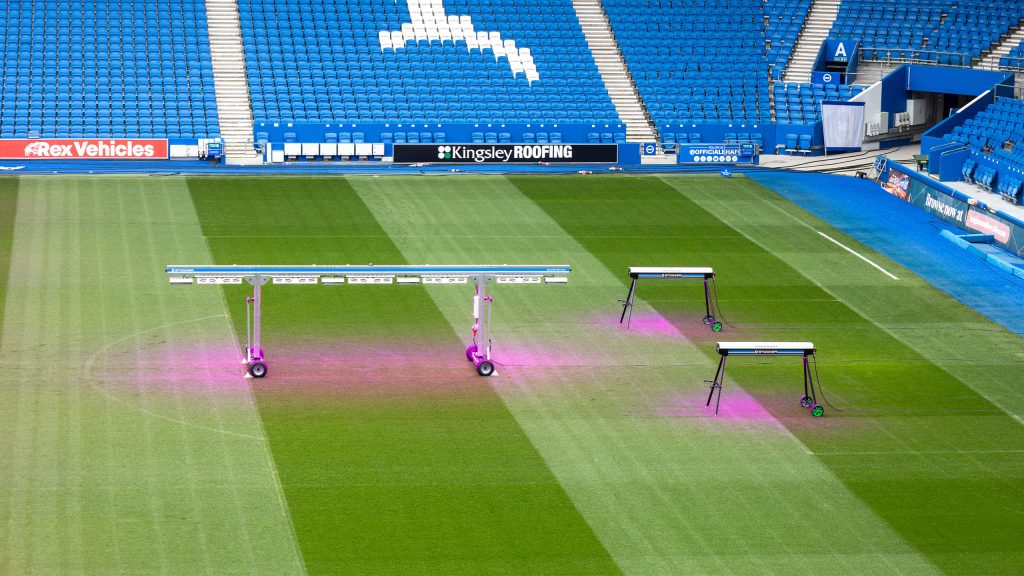
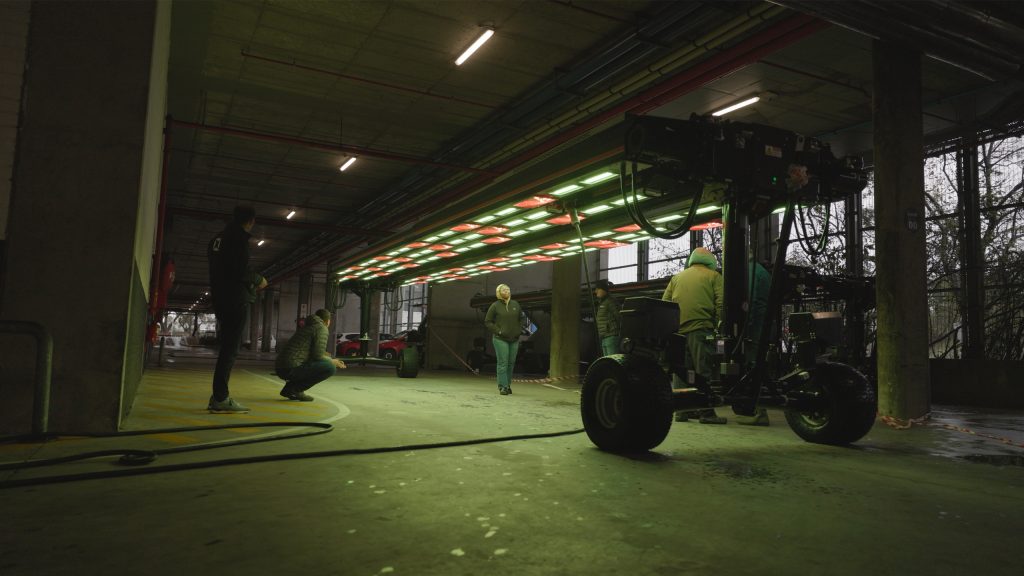
HPS lamps give one fixed, orange-heavy spectrum. You can switch them on or off, nothing more. LED lights can be built around the exact colours grass uses, and with Dynamic Light Spectrum you can change those colours during the day. LED lights also start and stop softly, like sunrise and sunset.
Energy
Modern horticultural LEDs turn far more of their electricity into useful light than HPS lamps. That means more light on the grass for every kWh you pay for. Our fixtures are tested independently to the LM-79 standard, and we share the reports on request.
Heat and tip burn
HPS lamps produce a lot of heat together with their light. Push the light level up and the leaf tips can burn. With LED, light and heat are separate. The LEDs give light, and when the grass needs warmth, dedicated infrared heaters add it. You control both independently.
Lifetime and maintenance
HPS lamps lose output over time and need replacing every few years. Based on LM-80 lab testing, Stogger LED fixtures keep 90% of their light output after 75,000 hours. At 3,600 hours of use per year, that is about 20 years.
Built to be upgraded
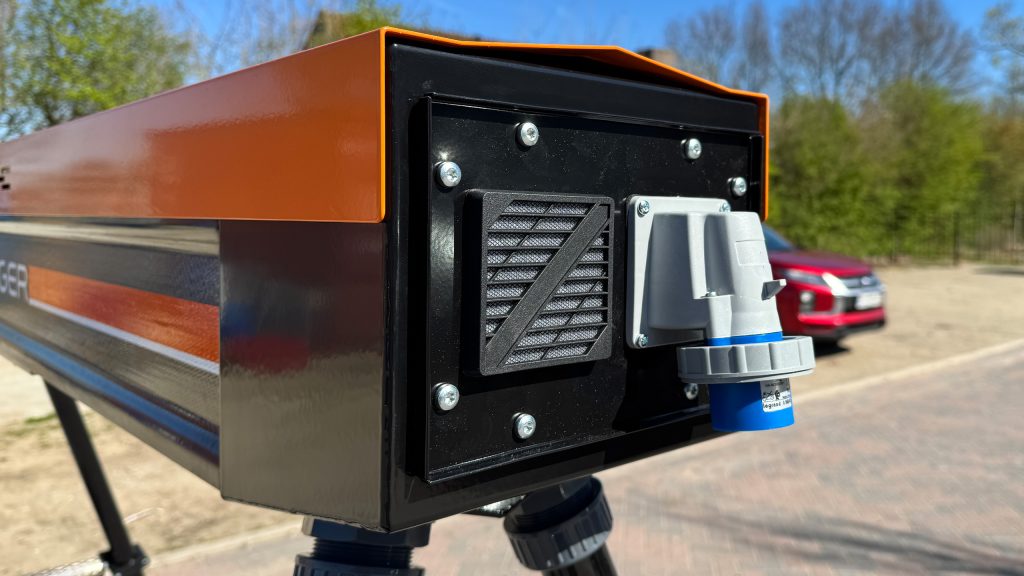
LED technology improves every year. In a Stogger fixture you can replace the LED engine, the lens or the board on its own. When better LEDs arrive, you upgrade the engine instead of replacing the whole lamp.
Comparing the total cost
When you compare HPS and LED, look beyond the purchase price. Add the energy use per season, the hours of use, lamp replacements and maintenance. Over the life of the rig, energy is usually the biggest cost.
| LED | HPS SON-T |
|---|
| Spectrum | Adjustable, four channels | Fixed |
| Switching | Soft start and stop | On or off |
| Heat | Separate, from IR heaters | Comes with the light |
| Lifetime | 90% light after 75,000 hours | Lamp replacement every few years |
| Upgrades | Replace the LED engine only | Replace the lamp |